/*! elementor-pro - v3.31.0 - 10-08-2025 */
"use strict";
(self["webpackChunkelementor_pro"] = self["webpackChunkelementor_pro"] || []).push([["woocommerce-cart"],{
/***/ "../modules/woocommerce/assets/js/frontend/handlers/base.js":
/*!******************************************************************!*\
!*** ../modules/woocommerce/assets/js/frontend/handlers/base.js ***!
\******************************************************************/
/***/ ((__unused_webpack_module, exports) => {
Object.defineProperty(exports, "__esModule", ({
value: true
}));
exports["default"] = void 0;
class Base extends elementorModules.frontend.handlers.Base {
getDefaultSettings() {
return {
selectors: {
stickyRightColumn: '.e-sticky-right-column'
},
classes: {
stickyRightColumnActive: 'e-sticky-right-column--active'
}
};
}
getDefaultElements() {
const selectors = this.getSettings('selectors');
return {
$stickyRightColumn: this.$element.find(selectors.stickyRightColumn)
};
}
bindEvents() {
// Add our wrapper class around the select2 whenever it is opened.
elementorFrontend.elements.$document.on('select2:open', event => {
this.addSelect2Wrapper(event);
});
}
addSelect2Wrapper(event) {
// The select element is recaptured every time because the markup can refresh
const selectElement = jQuery(event.target).data('select2');
if (selectElement.$dropdown) {
selectElement.$dropdown.addClass('e-woo-select2-wrapper');
}
}
isStickyRightColumnActive() {
const classes = this.getSettings('classes');
return this.elements.$stickyRightColumn.hasClass(classes.stickyRightColumnActive);
}
activateStickyRightColumn() {
const elementSettings = this.getElementSettings(),
$wpAdminBar = elementorFrontend.elements.$wpAdminBar,
classes = this.getSettings('classes');
let stickyOptionsOffset = elementSettings.sticky_right_column_offset || 0;
if ($wpAdminBar.length && 'fixed' === $wpAdminBar.css('position')) {
stickyOptionsOffset += $wpAdminBar.height();
}
if ('yes' === this.getElementSettings('sticky_right_column')) {
this.elements.$stickyRightColumn.addClass(classes.stickyRightColumnActive);
this.elements.$stickyRightColumn.css('top', stickyOptionsOffset + 'px');
}
}
deactivateStickyRightColumn() {
if (!this.isStickyRightColumnActive()) {
return;
}
const classes = this.getSettings('classes');
this.elements.$stickyRightColumn.removeClass(classes.stickyRightColumnActive);
}
/**
* Activates the sticky column
*
* @return {void}
*/
toggleStickyRightColumn() {
if (!this.getElementSettings('sticky_right_column')) {
this.deactivateStickyRightColumn();
return;
}
if (!this.isStickyRightColumnActive()) {
this.activateStickyRightColumn();
}
}
equalizeElementHeight($element) {
if ($element.length) {
$element.removeAttr('style'); // First remove the custom height we added so that the new height can be re-calculated according to the content
let maxHeight = 0;
$element.each((index, element) => {
maxHeight = Math.max(maxHeight, element.offsetHeight);
});
if (0 < maxHeight) {
$element.css({
height: maxHeight + 'px'
});
}
}
}
/**
* WooCommerce prints the Purchase Note separated from the product name by a border and padding.
* In Elementor's Order Summary design, the product name and purchase note are displayed un-separated.
* To achieve this design, it is necessary to access the Product Name line before the Purchase Note line to adjust
* its padding. Since this cannot be achieved in CSS, it is done in this method.
*
* @param {Object} $element
*
* @return {void}
*/
removePaddingBetweenPurchaseNote($element) {
if ($element) {
$element.each((index, element) => {
jQuery(element).prev().children('td').addClass('product-purchase-note-is-below');
});
}
}
/**
* `elementorPageId` and `elementorWidgetId` are added to the url in the `_wp_http_referer` input which is then
* received when WooCommerce does its cart and checkout ajax requests e.g `update_order_review` and `update_cart`.
* These query strings are extracted from the url and used in our `load_widget_before_wc_ajax` method.
*/
updateWpReferers() {
const selectors = this.getSettings('selectors'),
wpHttpRefererInputs = this.$element.find(selectors.wpHttpRefererInputs),
url = new URL(document.location);
url.searchParams.set('elementorPageId', elementorFrontend.config.post.id);
url.searchParams.set('elementorWidgetId', this.getID());
wpHttpRefererInputs.attr('value', url);
}
}
exports["default"] = Base;
/***/ }),
/***/ "../modules/woocommerce/assets/js/frontend/handlers/cart.js":
/*!******************************************************************!*\
!*** ../modules/woocommerce/assets/js/frontend/handlers/cart.js ***!
\******************************************************************/
/***/ ((__unused_webpack_module, exports, __webpack_require__) => {
var _interopRequireDefault = __webpack_require__(/*! @babel/runtime/helpers/interopRequireDefault */ "../node_modules/@babel/runtime/helpers/interopRequireDefault.js");
Object.defineProperty(exports, "__esModule", ({
value: true
}));
exports["default"] = void 0;
var _base = _interopRequireDefault(__webpack_require__(/*! ./base */ "../modules/woocommerce/assets/js/frontend/handlers/base.js"));
class Cart extends _base.default {
getDefaultSettings() {
const defaultSettings = super.getDefaultSettings(...arguments);
return {
selectors: {
...defaultSettings.selectors,
shippingForm: '.shipping-calculator-form',
quantityInput: '.qty',
updateCartButton: 'button[name=update_cart]',
wpHttpRefererInputs: '[name=_wp_http_referer]',
hiddenInput: 'input[type=hidden]',
productRemove: '.product-remove a'
},
classes: defaultSettings.classes,
ajaxUrl: elementorProFrontend.config.ajaxurl
};
}
getDefaultElements() {
const selectors = this.getSettings('selectors');
return {
...super.getDefaultElements(...arguments),
$shippingForm: this.$element.find(selectors.shippingForm),
$stickyColumn: this.$element.find(selectors.stickyColumn),
$hiddenInput: this.$element.find(selectors.hiddenInput)
};
}
bindEvents() {
super.bindEvents();
const selectors = this.getSettings('selectors');
elementorFrontend.elements.$body.on('wc_fragments_refreshed', () => this.applyButtonsHoverAnimation());
if ('yes' === this.getElementSettings('update_cart_automatically')) {
this.$element.on('input', selectors.quantityInput, () => this.updateCart());
}
elementorFrontend.elements.$body.on('wc_fragments_loaded wc_fragments_refreshed', () => {
this.updateWpReferers();
if (elementorFrontend.isEditMode() || elementorFrontend.isWPPreviewMode()) {
this.disableActions();
}
});
elementorFrontend.elements.$body.on('added_to_cart', function (e, data) {
// We do not want the page to reload in the Editor after we triggered the 'added_to_cart' event.
if (data.e_manually_triggered) {
return false;
}
});
}
onInit() {
super.onInit(...arguments);
this.toggleStickyRightColumn();
this.hideHiddenInputsParentElements();
if (elementorFrontend.isEditMode()) {
this.elements.$shippingForm.show();
}
this.applyButtonsHoverAnimation();
this.updateWpReferers();
if (elementorFrontend.isEditMode() || elementorFrontend.isWPPreviewMode()) {
this.disableActions();
}
}
/**
* Using the WooCommerce Cart controls (quantity, remove product) in the editor will cause the cart to disappear.
* This is because WooCommerce does an ajax round trip where it modifies the cart, then loads that cart into the
* current page and attempts to grab the elements from that page via ajax. In the Editor, if the page is not
* published yet, it fetches an empty page that does not contain the required elements. As a result, the cart
* is rendered empty.
*
* Due to this issue, the cart controls (quantity, remove product) need to be disabled in the Editor.
*/
disableActions() {
const selectors = this.getSettings('selectors');
this.$element.find(selectors.updateCartButton).attr({
disabled: 'disabled',
'aria-disabled': 'true'
});
if (elementorFrontend.isEditMode()) {
this.$element.find(selectors.quantityInput).attr('disabled', 'disabled');
this.$element.find(selectors.productRemove).css('pointer-events', 'none');
}
}
onElementChange(propertyName) {
if ('sticky_right_column' === propertyName) {
this.toggleStickyRightColumn();
}
if ('additional_template_select' === propertyName) {
elementorPro.modules.woocommerce.onTemplateIdChange('additional_template_select');
}
}
onDestroy() {
super.onDestroy(...arguments);
this.deactivateStickyRightColumn();
}
updateCart() {
const selectors = this.getSettings('selectors');
clearTimeout(this._debounce);
this._debounce = setTimeout(() => {
this.$element.find(selectors.updateCartButton).trigger('click');
}, 1500);
}
applyButtonsHoverAnimation() {
const elementSettings = this.getElementSettings();
if (elementSettings.checkout_button_hover_animation) {
// This element is recaptured every time because the cart markup can refresh
jQuery('.checkout-button').addClass('elementor-animation-' + elementSettings.checkout_button_hover_animation);
}
if (elementSettings.forms_buttons_hover_animation) {
// This element is recaptured every time because the cart markup can refresh
jQuery('.shop_table .button').addClass('elementor-animation-' + elementSettings.forms_buttons_hover_animation);
}
}
/**
* In the editor, WC Frontend JS does not fire (not registered).
* This causes that hidden inputs parent paragraph elements do not get display:none
* as they would have on the front end.
* So this function manually display:none the parent elements of these hidden inputs to avoid having
* gaps/spaces in the layout caused by these parent elements' margins/paddings.
*/
hideHiddenInputsParentElements() {
if (this.isEdit) {
if (this.elements.$hiddenInput) {
this.elements.$hiddenInput.parent('.form-row').addClass('elementor-hidden');
}
}
}
}
exports["default"] = Cart;
/***/ })
}]);
//# sourceMappingURL=woocommerce-cart.79b5dc500681930471c6.bundle.js.map
¿Cómo deben ser los edificios de las ciudades inteligentes? | Grupo Efitech - Eficiencia Energética
import React from 'react'
import styles from './InputWithButton.module.scss'
const InputWithButton = ({ Input, Button, instructions, errorMessage }) => (
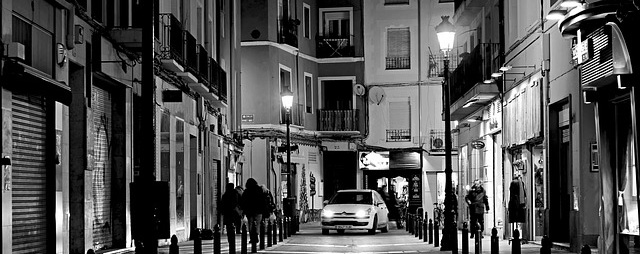
Cuatro son los requisitos para que un edificio se considere inteligente. Las ciudades y edificios inteligentes son los espacios del futuro y es que necesitamos ciudades que de manera integral y multidisciplinar mejoren los sistemas tecnológicos para hacerlos más eficientes, mas usables y más ecológicos.
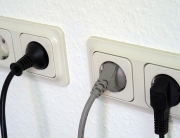
Es por ello que el denominado Internet de las cosas tiene vital importancia en este tema, siendo el punto de partida para convertir a nuestras ciudades y edificios en inteligentes y ecológicamente sostenibles.
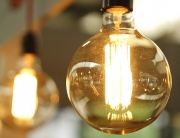
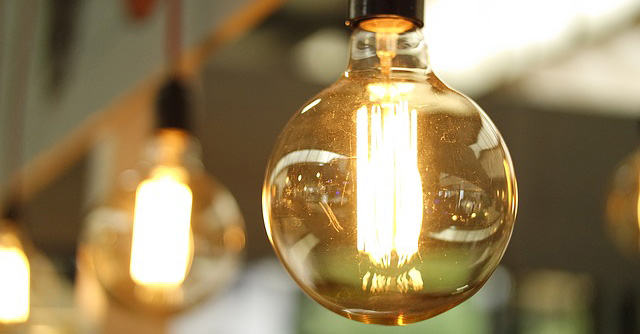
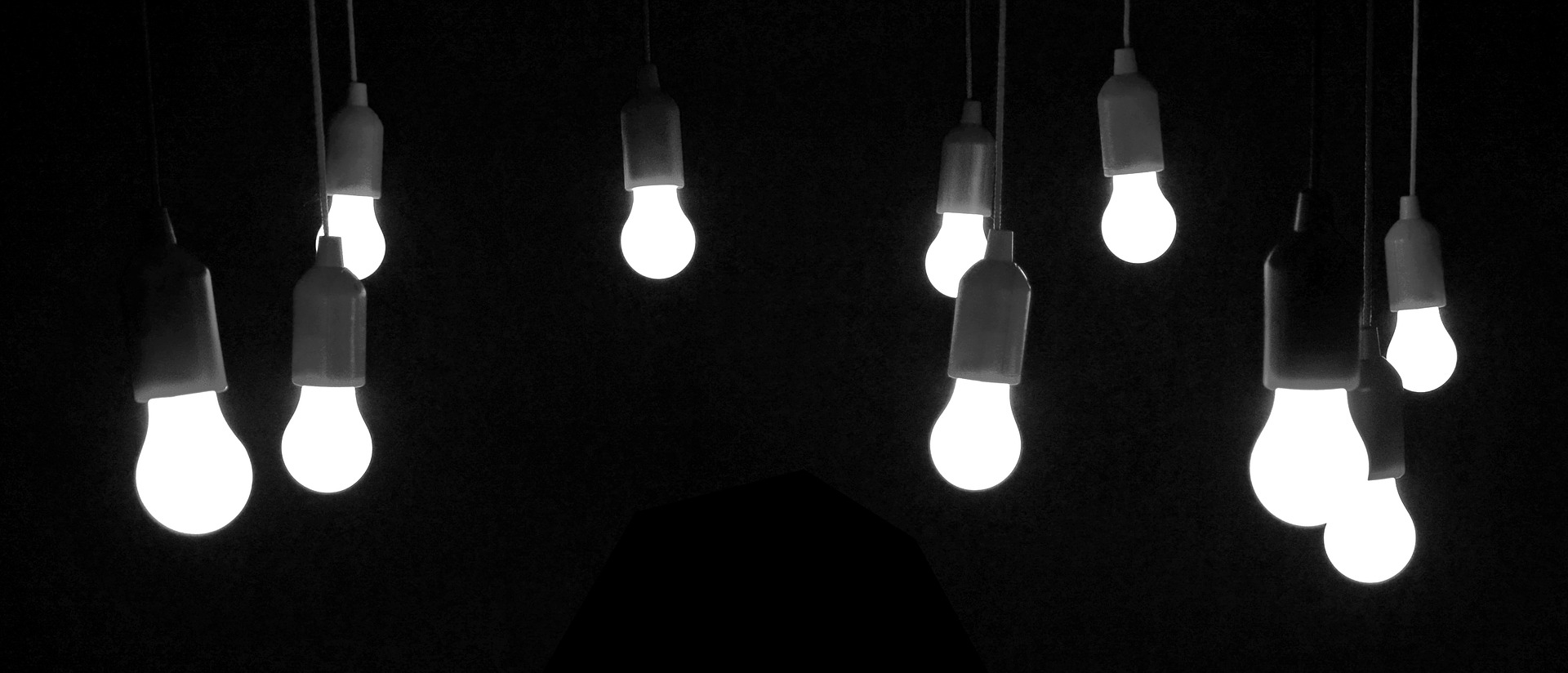
El Internet de las cosas ya se aplica en los transportes urbanos, en la eficiencia energética, por ejemplo, se está reemplazando la iluminación artificial por la iluminación inteligente, sistema que cuenta nuestro municipio de Torres de Berrellén, por ejemplo. También se aplica en la gestión de residuos y en el sector sanitario.
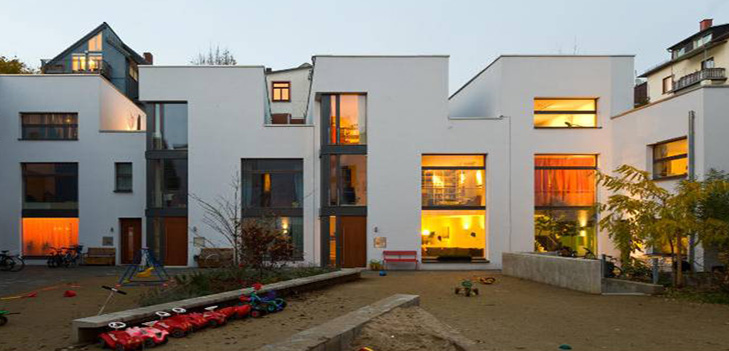
Valdespartera es también una ecociudad inteligente, un barrio sostenible desde su concepción y diseño, en el que por ejemplo, el riego se controla en cada momento, interrumpiéndose de forma automática cuando llueve, y el agua de la lluvia se almacena para usarla posteriormente.
Pues bien, veamos qué características deben tener los edificios para ser considerados inteligentes:
Conectividad: Gracias al Internet de las cosas, conocido como IoT (Internet of Things) podemos conectar los ascensores o los sistema as de entrada y salida de los edificios con la nube, reportando en tiempo real la información necesaria para que el edificio, por ejemplo, reconozca al usuario y guarde sus movimientos habituales, por ejemplo, cuando el usuario entre en el edificio, el ascensor automáticamente bajará a recogerle y subirle a su casa o lugar de trabajo. Como hemos visto, también podemos conectar el sistema de riego con el clima que esté haciendo o la iluminación con la cantidad de luz del sol en cada momento.
Seguridad: desde luego estos sistemas de conexión en la nube deben mantener una elevada seguridad para que no haya un caos.
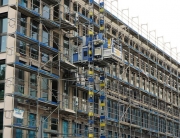
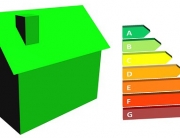
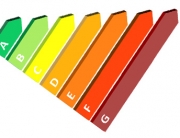
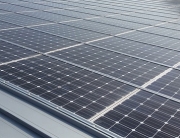
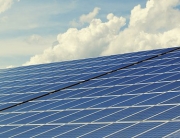
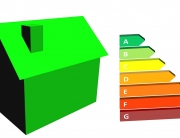
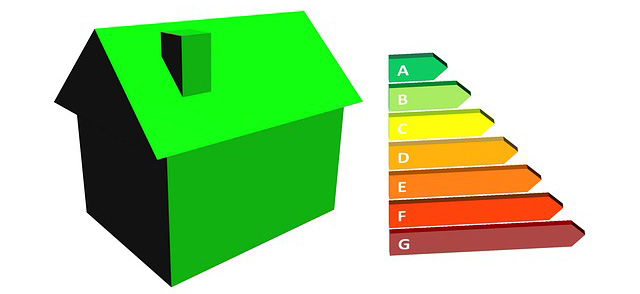
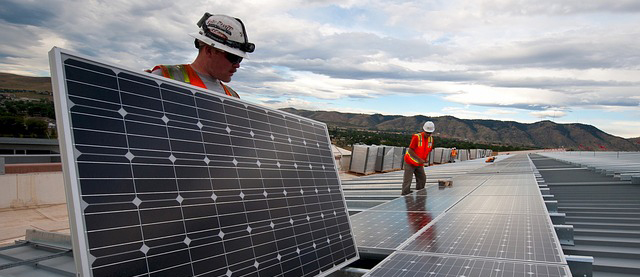
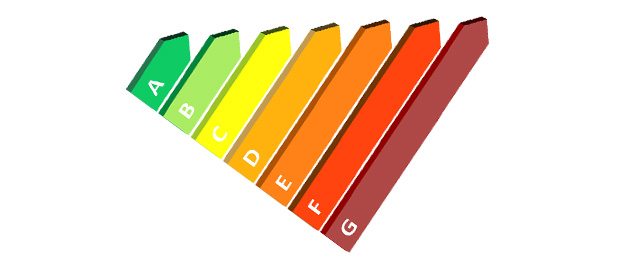
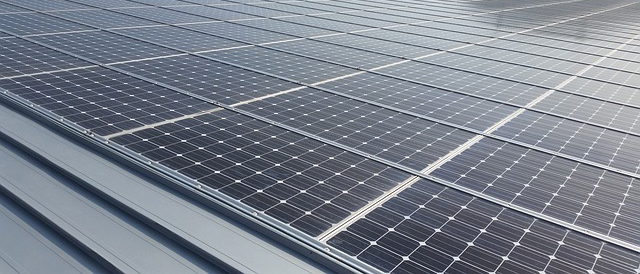
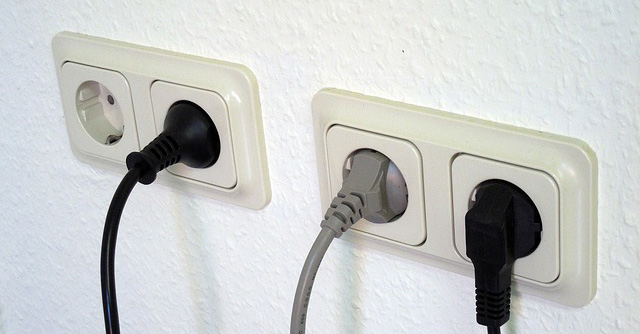
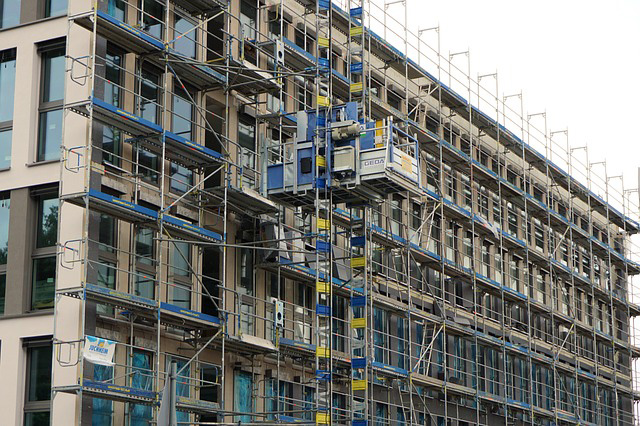
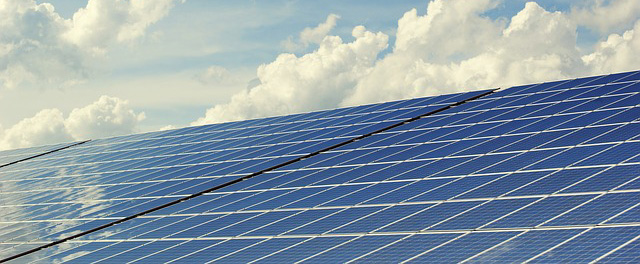
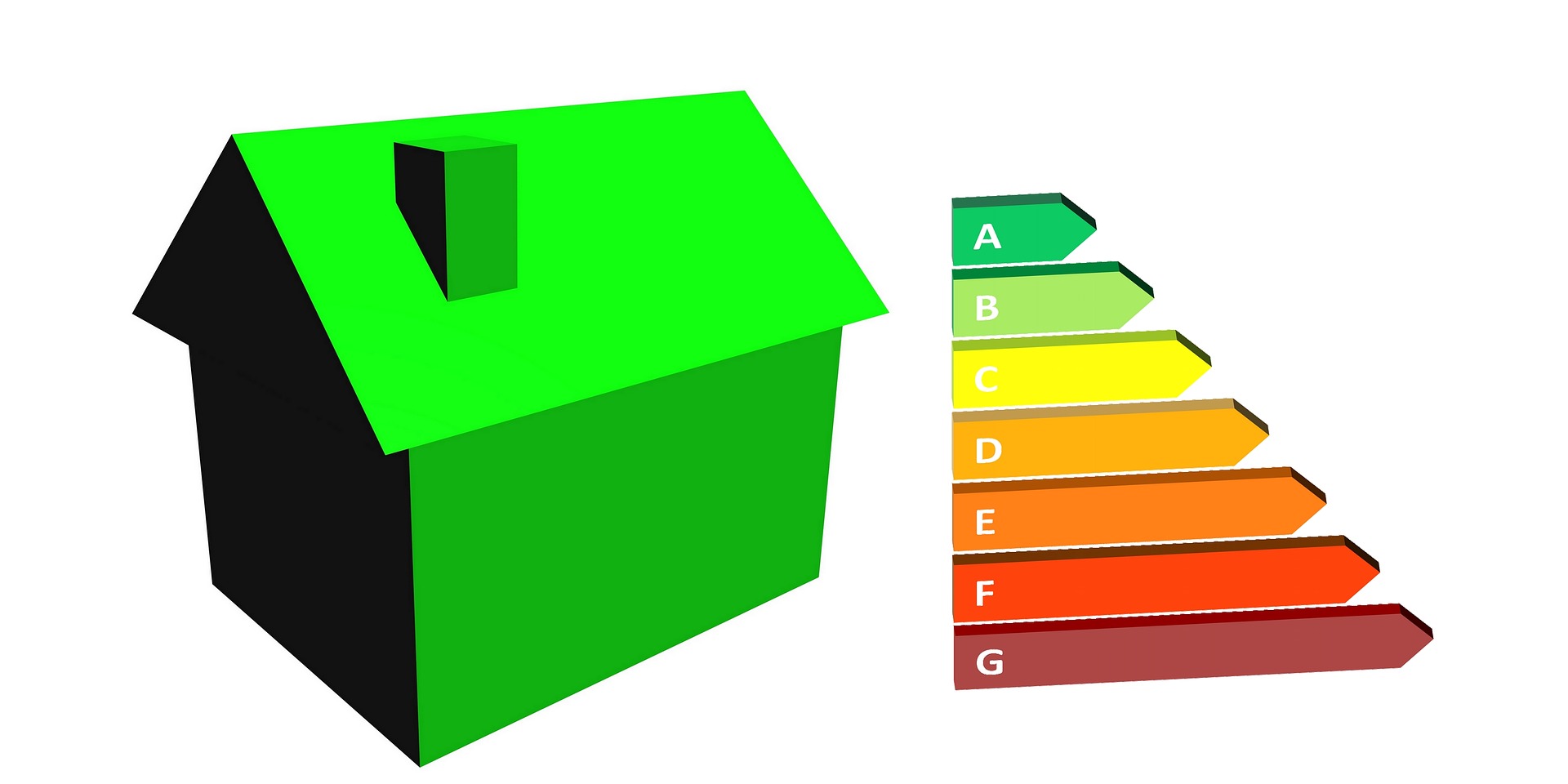
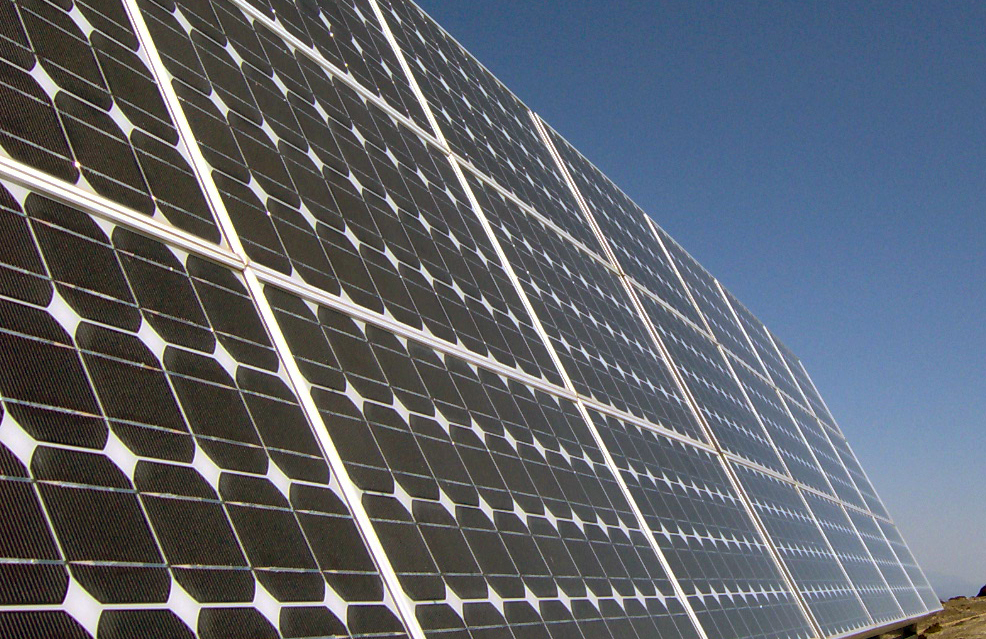
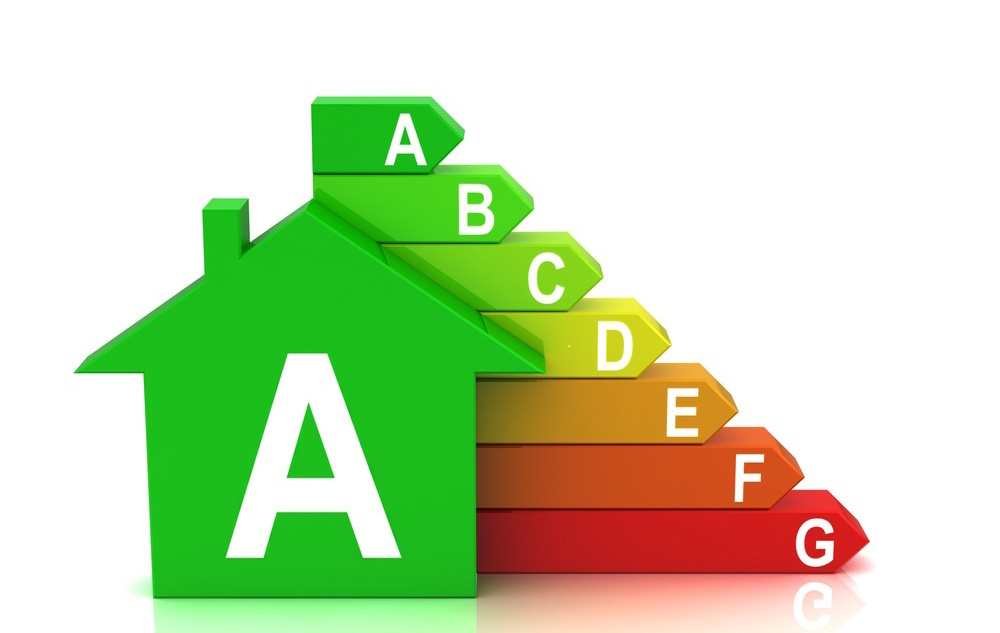
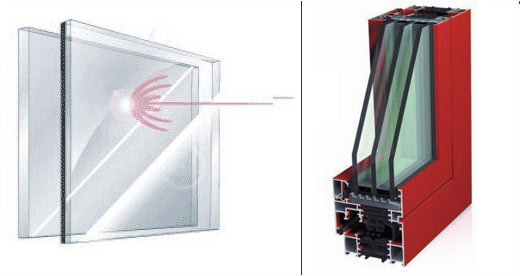
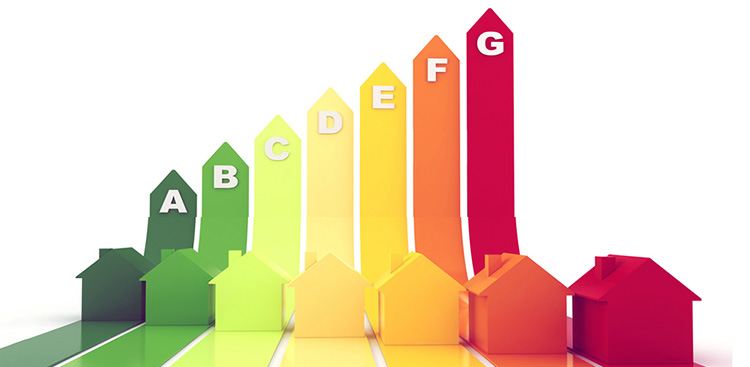
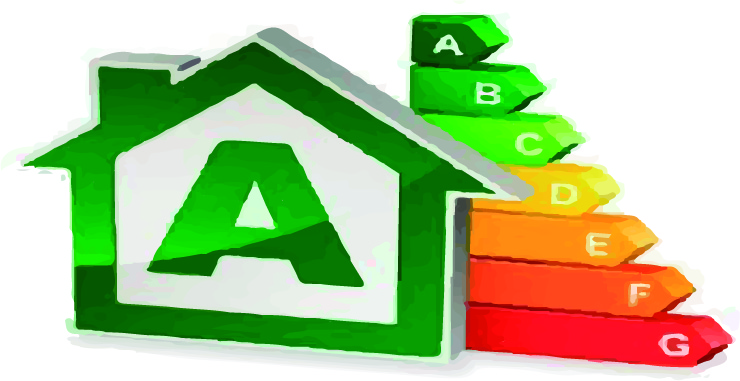
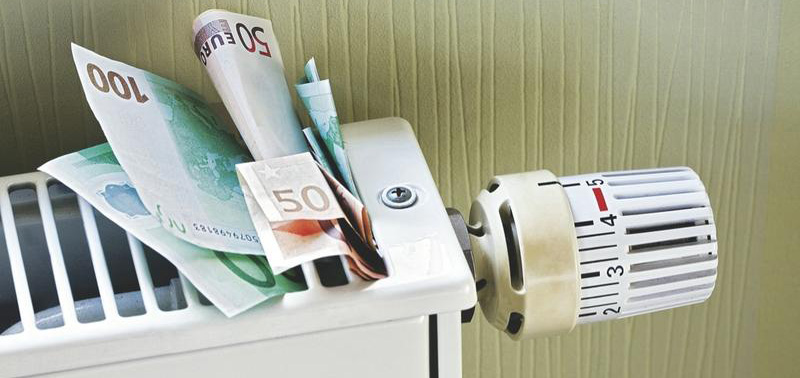
Ecoeficiencia: uno de los objetivos principales de tener edificios y ciudades inteligentes, es que los sistemas eléctricos sean más eficientes energéticamente, permitiendo ahorrar energía y por lo tanto, emisiones nocivas a la atmosfera. El que los edificios se construyan con materiales más ecológicos, con sistemas más eficientes, es una de las prioridades a tener en cuenta para decir que un edificio es inteligente, de nada nos serviría estar súper conectados, si seguimos derrochando energía.

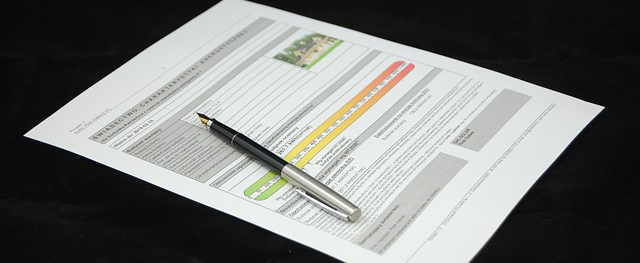
Accesibilidad: el que todas las personas, incluidas las de movilidad reducida, puedan moverse por su ciudad sin problemas, de la forma más ágil, rápida y sencilla posible, es otro de los grandes objetivos y de las características que debe tener una ciudad inteligente. Medios de transporte público más accesibles, ascensores adaptados y cuestiones similares son también pilares básicos.